Table of Contents
Ever wondered about that intriguing metabolic state called ketosis? Many people are curious about "when is ketosis," and this article will unravel the mystery. We'll explore the fascinating process of ketosis, explaining how your body shifts from burning sugar to burning fat for fuel. Understanding this metabolic switch is key to unlocking its potential benefits, whether you're aiming for weight loss, improved energy levels, or better overall health. We'll cover the factors that influence when your body enters ketosis, from dietary choices to individual metabolic rates. We'll also delve into practical strategies for maintaining ketosis and maximizing its effects. Prepare to gain a comprehensive understanding of this powerful metabolic state and learn how to harness its power for your well-being. Get ready to discover when is ketosis and how to make it work for you!
Understanding Ketosis: What It Is and How It Works
Understanding Ketosis: What It Is and How It Works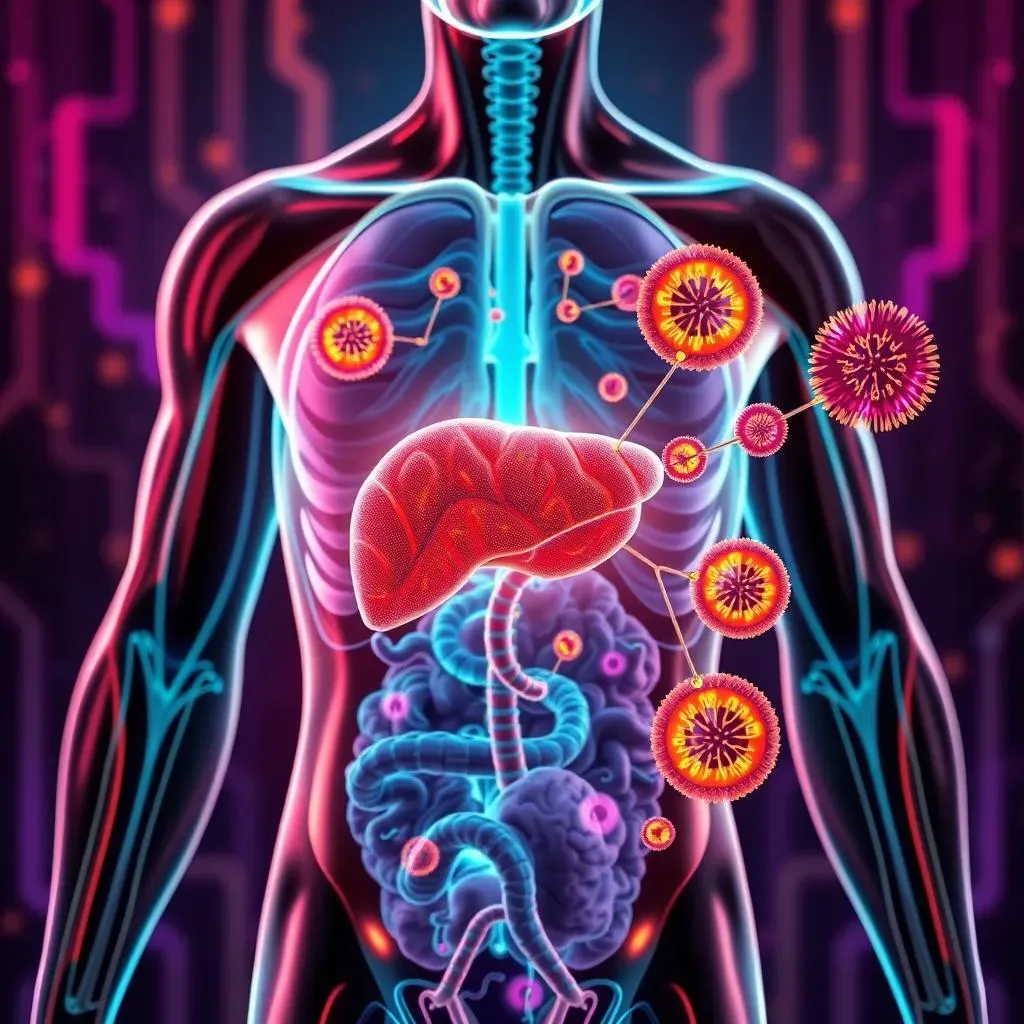
What is Ketosis?
Ketosis is a natural metabolic state where your body switches from using glucose (sugar) for energy to using ketones. Ketones are produced by your liver when your body doesn't have enough carbohydrates for fuel. Think of it like this: your body is a car, and usually, it runs on gasoline (glucose). When you run out of gasoline, it can switch to a different fuel source – in this case, ketones – to keep running.
This shift happens when you significantly reduce your carbohydrate intake. This forces your body to break down stored fat into fatty acids, which are then converted into ketones in the liver. These ketones are then used as an alternative energy source by your muscles and brain. It's a pretty clever survival mechanism, and it's what makes the ketogenic diet so effective for weight loss. Want to learn more about keto cakes? Check out our guide on what are keto cakes.
Fuel Source | State | Primary Energy Source |
|---|---|---|
Glucose | Normal Metabolism | Carbohydrates |
Ketones | Ketosis | Fat |
How Ketosis Works
The process of ketosis starts with a significant reduction in carbohydrate consumption. When your carbohydrate intake drops, your body's glucose stores (glycogen) get depleted. This signals your liver to start breaking down stored fat into fatty acids. These fatty acids undergo a process called beta-oxidation, resulting in the formation of ketone bodies.
These ketone bodies – acetoacetate, beta-hydroxybutyrate, and acetone – are released into your bloodstream and transported to your cells, where they are used for energy. The brain, which typically relies heavily on glucose, adapts to using ketones as fuel, leading to various metabolic changes. A common question is about the taste of keto cakes. For a detailed discussion, check out our post on keto cake taste.
- Reduced carbohydrate intake
- Glycogen depletion
- Fat breakdown into fatty acids
- Ketone body production
- Ketone utilization for energy
Benefits and Considerations of Ketosis
Ketosis is not just about weight loss; it can offer several other health benefits. Some studies suggest it can improve insulin sensitivity, reduce inflammation, and even help manage certain neurological conditions. However, it's crucial to understand that ketosis isn't a magic bullet, and it's not for everyone.
Some people experience side effects like the "keto flu" (headaches, fatigue, and nausea) during the initial adaptation phase. Others may find it challenging to maintain a strict ketogenic diet long-term. It's essential to consult with your doctor before starting a ketogenic diet, especially if you have any underlying health conditions. For instance, if you're curious about the ketogenic diet and diabetes, learn more about keto cakes and diabetes.
Entering Ketosis: Factors That Influence the Process
Entering Ketosis: Factors That Influence the Process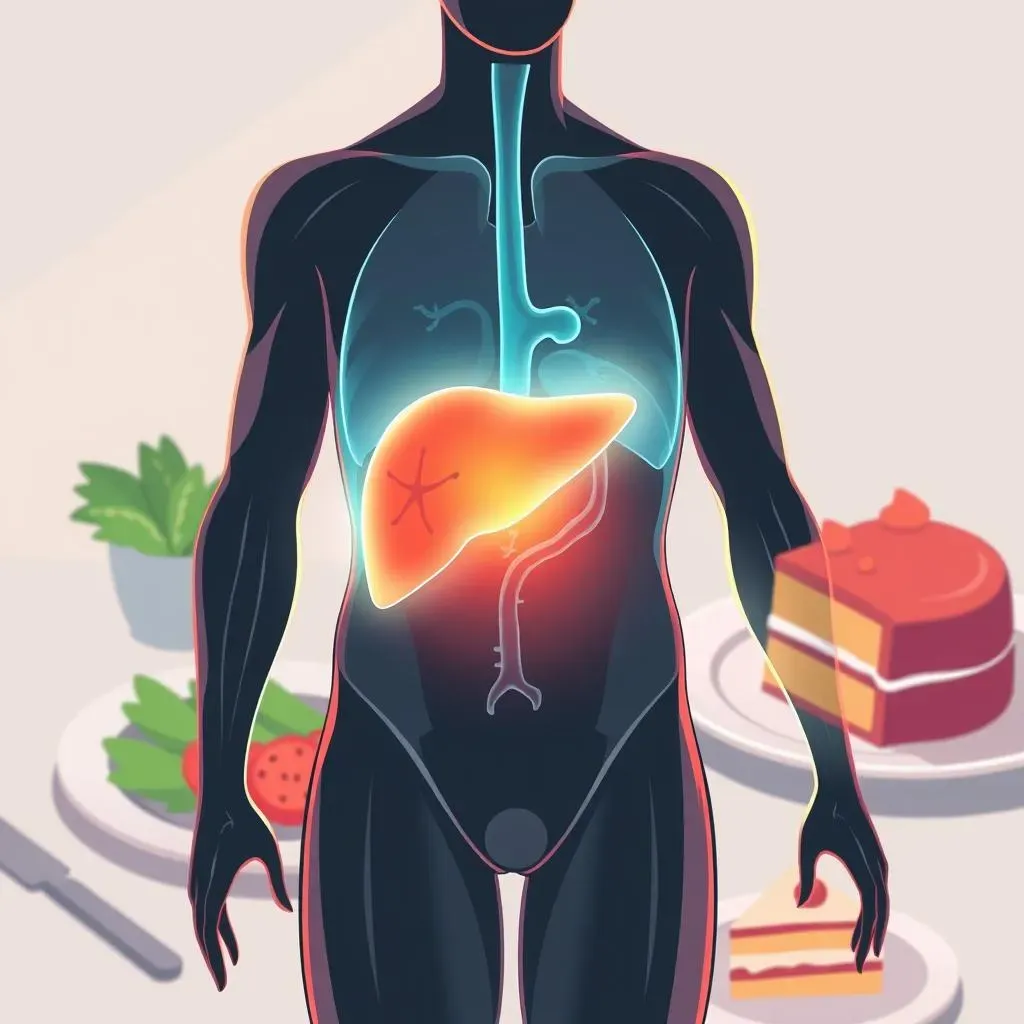
Dietary Carbohydrate Intake
The most significant factor determining when ketosis occurs is your dietary carbohydrate intake. Your body primarily uses glucose from carbohydrates for energy. When you drastically reduce your carb consumption, your body's glucose stores (glycogen) become depleted. This triggers the liver to start breaking down stored fat into ketones, initiating the ketosis process. The lower your carbohydrate intake, the quicker you'll typically enter ketosis. A good starting point is to aim for under 20-50 grams of net carbs per day, though individual needs vary. If you're baking keto-friendly treats, you might be interested in our guide on making moist keto cakes.
It's not just about the total carbs; the type of carbohydrates matters too. Simple carbs, like sugar and white bread, are digested quickly, causing rapid blood sugar spikes and making it harder to reach ketosis. Complex carbohydrates, like whole grains, are digested more slowly. However, even complex carbs should be limited on a keto diet. Remember, consistency is key! Sticking to your low-carb plan will be more effective than sporadic attempts. Need ideas for keto-friendly desserts? Check out our article on low-carb cakes.
Carb Type | Digestion Speed | Impact on Ketosis |
|---|---|---|
Simple Carbs | Fast | Difficult to enter ketosis |
Complex Carbs | Slow | Easier to manage, but still needs limitation |
Individual Metabolic Factors and Other Influences
While carbohydrate intake is crucial, individual metabolic factors also play a significant role in determining when ketosis begins. Factors like age, sex, genetics, and overall fitness level can influence your body's ability to efficiently utilize fat for fuel and enter ketosis. For example, someone who is highly trained for endurance sports might have a higher tolerance for carbohydrates and may take longer to enter ketosis. Conversely, someone who is less active might enter ketosis more quickly. If you're looking for keto-friendly options, learn more about corn cakes and keto.
Other factors that can affect the onset of ketosis include exercise intensity and duration, sleep quality, stress levels, and even gut microbiome composition. These factors can affect your body's hormonal balance and metabolic rate, influencing how quickly you enter and maintain ketosis. For instance, chronic stress can increase cortisol levels, which can hinder fat burning and make it more difficult to achieve ketosis. Prioritizing sleep, managing stress, and engaging in regular exercise can all contribute to a more favorable metabolic environment for ketosis. Are you interested in making your own keto cakes? Check out our recipe on making keto cakes.
- Genetics
- Age and sex
- Physical activity level
- Sleep quality
- Stress levels
- Gut microbiome
Maintaining Ketosis: Tips and Strategies for LongTerm Success
Maintaining Ketosis: Tips and Strategies for LongTerm Success
Prioritizing Consistent Carbohydrate Restriction
Maintaining ketosis isn't a sprint; it's a marathon. Consistent carbohydrate restriction is the cornerstone of long-term success. Think of it like building a house – you can't expect a sturdy structure if you only lay a few bricks now and then. Similarly, sporadic low-carb efforts won't yield sustained ketosis. Aim for a steady and consistent intake of net carbs, usually below 50 grams daily, to keep your body in fat-burning mode. Tracking your macros (carbohydrates, protein, and fats) can be incredibly helpful. Many apps and websites can assist you with this. Remember, even small indulgences can disrupt ketosis. If you're baking, you might find our tips on moist keto cakes helpful.
Don't be afraid to experiment with different keto-friendly foods to find what works best for you and your palate. Variety is key to long-term adherence. There are countless delicious recipes available online and in cookbooks, so you won't get bored easily. Remember, maintaining ketosis is a lifestyle change, not just a diet, so find ways to make it enjoyable and sustainable. If you're wondering about the nutritional value of keto cakes, check out this post on healthy keto cakes.
- Track your macros consistently.
- Explore a variety of keto-friendly recipes.
- Focus on sustainable lifestyle changes.
Hydration and Electrolyte Balance
When you start a ketogenic diet, your body sheds water weight as it depletes its glycogen stores. This can lead to dehydration and electrolyte imbalances, which can manifest as headaches, fatigue, and muscle cramps – the dreaded "keto flu." To combat this, staying adequately hydrated is crucial. Aim to drink plenty of water throughout the day, and consider adding electrolytes to your water or consuming electrolyte-rich foods like bone broth or coconut water. This is essential for maintaining energy levels and preventing the unpleasant symptoms of electrolyte imbalance. If you're making keto cakes, ensure you're adequately hydrated before and after consumption. For some additional keto baking inspiration, consider exploring two-ingredient keto cakes.
Electrolytes like sodium, potassium, and magnesium are essential for various bodily functions, including nerve and muscle function. A ketogenic diet can deplete these electrolytes, so it's important to replenish them. You can supplement with electrolyte powders or tablets, but it's often easier and more palatable to get them from food sources. Consider adding a pinch of salt to your meals, eating potassium-rich vegetables like spinach and kale, and including magnesium-rich foods like almonds and avocados in your diet. For a delicious keto treat, look at this recipe for three-ingredient keto cheesecake.
Electrolyte | Sources | Benefits |
|---|---|---|
Sodium | Salt, bone broth | Fluid balance, nerve function |
Potassium | Spinach, bananas | Muscle function, blood pressure regulation |
Magnesium | Almonds, avocados | Muscle relaxation, energy production |
Monitoring Ketone Levels and Adapting Your Approach
While not strictly necessary, monitoring your ketone levels can provide valuable insights into your ketosis status. Using urine test strips or blood ketone meters can help you track your progress and ensure you're consistently in ketosis. This allows for adjustments to your diet or lifestyle as needed. If your ketone levels are consistently low, you may need to reduce your carbohydrate intake further or address other factors that might be hindering ketosis, such as stress or lack of sleep. If you're unsure about what to bake, check out our article on keto cakes.
Remember, ketosis isn't a one-size-fits-all approach. What works for one person might not work for another. Be patient with yourself, and don't be afraid to experiment and adjust your strategy. It may take some trial and error to find the optimal balance of macronutrients and lifestyle choices that allow you to maintain ketosis comfortably and sustainably. Keep in mind that consistency and patience are key to long-term success. If you're curious about how Publix handles keto-friendly options, you might find our article on Publix and keto cakes interesting.